

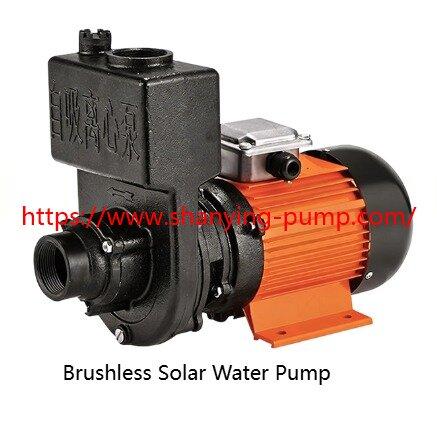

The quality of pumping equipment begins long before a product reaches its installation site. Material sourcing, component processing, structural design, assembly methods, and inspection procedures all influence how a pump performs in its intended environment. When buyers evaluate a Submersible Pump Factory, they should look beyond product appearance and consider how the manufacturer manages each stage of production. A consistent manufacturing approach helps connect engineering decisions with practical requirements in drainage, water transfer, sewage treatment, and industrial applications.
Material selection is one of the foundations of pump manufacturing. Different applications expose equipment to different conditions, including moisture, suspended particles, corrosion risks, and repeated mechanical stress. Cast iron is commonly used for pump housings because it offers structural strength and supports robust construction. Stainless steel may be selected when corrosion resistance or surface characteristics are important. Other materials can be used for specific internal components according to their function and the environment in which the pump will operate.
A manufacturer's understanding of material compatibility is particularly important when different components work together. The casing, impeller, shaft, fasteners, and sealing elements do not experience identical conditions. Some parts are exposed directly to the liquid, while others must maintain mechanical stability or protect internal electrical components. Appropriate material combinations can help reduce premature wear and support more predictable maintenance. Buyers should therefore ask how materials are selected for different product categories rather than assuming that one construction is suitable for every application.
Component processing also contributes to the quality of the finished product. Casting, machining, surface treatment, and finishing need to be coordinated so that individual parts fit together correctly. Inconsistent processing may create difficulties during assembly or affect the alignment of moving components. Attention to manufacturing details can improve the consistency of the final product and make subsequent inspection more effective. For buyers, this is one reason to consider a manufacturer's production experience and quality management practices when comparing suppliers.
Selecting a suitable manufacturer begins with understanding the intended application. Submersible pumps serve a wide range of purposes, from clean water transfer and agricultural irrigation to sewage handling and industrial drainage. These applications require different internal structures and material choices. Before requesting product recommendations, buyers should identify the liquid being transferred, the installation environment, the possibility of suspended solids, and the expected operating conditions. Clear application information helps manufacturers recommend equipment that is more closely matched to the project.
Product range is another useful consideration. A manufacturer offering different pump structures may be better positioned to address varied installation requirements. For example, clean-water applications and wastewater applications may call for different impeller arrangements, sealing solutions, or protective features. Buyers should examine whether the supplier understands these distinctions and can explain the intended use of each product. Technical communication is often as important as the product catalogue itself.
The manufacturing process must also account for how the pump will function after assembly. The motor converts electrical energy into mechanical movement, which drives the impeller and moves liquid through the pump body. The relationship between the motor, shaft, impeller, and internal flow passage determines how the equipment handles its intended liquid. Careful component matching and assembly help support stable operation and reduce the likelihood of avoidable mechanical problems.
Sealing technology is another essential part of submersible pump production. Since the equipment operates while immersed, the motor compartment needs protection against water entry. Mechanical seals, cable entry arrangements, and housing connections all contribute to this protective system. Their design and assembly require careful attention because a weakness in one area may affect the reliability of the complete unit. Manufacturers should also consider how sealing components can be inspected and serviced when maintenance becomes necessary.
Quality inspection connects production procedures with the expectations of end users. Visual checks, assembly inspections, electrical evaluations, and operational testing can help identify problems before products leave the factory. A consistent inspection process is more useful than relying on a final appearance check alone. Buyers may also consider whether the supplier maintains traceable production procedures and provides clear product documentation. These practices can make communication and after-sales support more straightforward.
The user experience of a pump is influenced by more than its internal performance. Installation teams need equipment that can be positioned, connected, and removed without unnecessary difficulty. Practical lifting points, accessible cable arrangements, clearly positioned discharge outlets, and compatible connection structures can make installation more manageable. In fixed installations, guide rail systems or automatic coupling arrangements may simplify removal for maintenance. Portable products may benefit from convenient handles and a structure that is easier to move between working locations.
Appearance and product layout also reflect manufacturing decisions. A well-organized housing can protect internal components while keeping the overall structure practical. Smooth external surfaces may make cleaning easier, while suitable coatings can help protect compatible materials from environmental exposure. The placement of cables, fasteners, lifting features, and connection points should support the product's intended installation method. Although industrial buyers usually prioritize function, a thoughtful external design can improve handling and routine inspection.
Manufacturers also need to consider the relationship between production capability and customer support. Buyers may require help understanding product applications, selecting compatible accessories, or arranging maintenance after installation. Clear communication about product construction, operating conditions, and replacement components can help avoid misunderstandings during procurement. A manufacturer that understands the complete purchasing and operating process can provide more useful guidance than one that focuses only on supplying finished equipment.
Taizhou Shanying Pump Co., Ltd. is engaged in the development and supply of pumping equipment for water transfer, drainage, and sewage-related applications. Its product range provides buyers with options for different pumping requirements, making application suitability an important part of product selection. When evaluating a supplier, purchasers can discuss material preferences, pump structure, installation conditions, quality inspection, and maintenance support before choosing equipment. Further information about the company's products and manufacturing activities is available at https://www.shanying-pump.com/.